


Classifying metal sheets by size and thickness is a crucial task in the metal industry. Doing so can help construction contractors and consumers easily find and use metal sheets that are suitable for their needs.
Why is it important to classify the size and thickness of metal sheets?

Classifying metal sheets by size and thickness is essential for the production and use of metal sheets. There are several reasons why it is necessary to do so, including:
– Practicality: Classifying metal sheets by size and thickness helps manufacturers and users quickly find and use the types of metal sheets that suit their needs.
– Optimizing production processes: By classifying metal sheets by size and thickness, manufacturers can optimize the production process, reduce production time, and lower costs.
– Ensuring product quality: Classifying metal sheets by size and thickness helps ensure product quality and prevent errors in the production and use process.
– Convenience in transportation and storage: When metal sheets are classified by size and thickness, they can be packaged and transported more easily, reducing damage rates and increasing transportation and storage efficiency.
Therefore, classifying metal sheets by size and thickness is a crucial step in optimizing the production process, ensuring product quality, and increasing convenience in use and transportation.
Common specifications for metal sheets
For the thickness of metal sheets, they are usually divided into different thickness groups. Common thickness groups used in the metal industry include: under 1mm, 1-3mm, 3-6mm, 6-12mm, 12-25mm, and over 25mm.
For size, metal sheets can be classified by length, width, and surface area. Common size groups used in the metal industry include: under 100mm, 100-500mm, 500-1000mm, and over 1000mm.
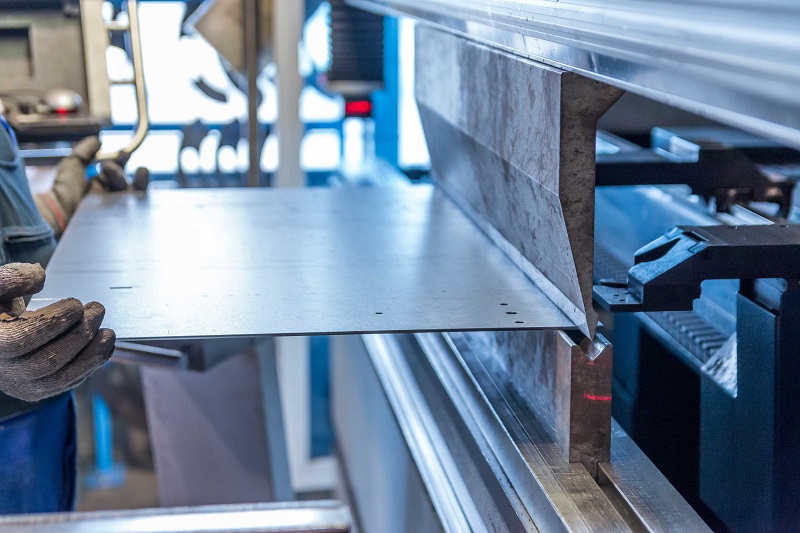
Guidelines for selecting metal sheets based on size and thickness to meet your needs
To classify metal sheets based on size and thickness, follow these steps:
- Determine the size of the metal sheet you need by measuring the length and width of the product you require.
- Determine the thickness of the metal sheet by measuring its thickness or referring to the product’s technical specifications.
- Compare the size and thickness of the metal sheet with the typical size and thickness groups commonly used in the metal industry as mentioned above.
- Based on the size and thickness of the metal sheet, choose a product that meets your needs.
When choosing a metal sheet, consider other factors such as the type of metal, the purpose of use, technical features, and price to make the best product selection decision.
If you encounter difficulties in classifying metal sheets, search for information and consult with experts or professional sales staff in the metal industry.
Kim Minh Tech – Reliable Metal Mesh Manufacturing and Processing Company
Kim Minh Tech (Kim Minh Precision Mechanics Co., Ltd) specializes in mechanical processing for small and large companies, both domestically and internationally in large quantities. We are committed to ensuring consistent quality across each product we produce, and the finished product is the result of the condensation of high-quality raw materials, ensuring durability and technical accuracy.
Furthermore, we always provide metal mesh sheets at the best price on the market for our partners, at a better price than our long-standing competitors. Kim Minh Tech always adheres to promises about delivery time with customers, ensuring your project is executed on schedule. If you have any issues related to our products or any questions that require support, we are always available to provide timely answers.

We hope that this guide has helped you understand how to classify metal sheets based on size and thickness. From there, you can apply this knowledge to choose the metal sheet that best suits your needs. If you are unsure and need expert assistance in selecting the right metal sheet product, please contact Kim Minh Tech.

