


Industrial welded steel fence combines durability and aesthetics, playing a crucial role in protecting and limiting intrusion into important areas. The implementation process involves detailed design, selection of high-quality materials, and precise welding procedures. With its high intrusion resistance, industrial welded steel fence is being used in industrial and commercial sectors to ensure security and effectiveness.
Concept of Welded Steel Fence Manufacturing Technology

The manufacturing technology of welded steel fence is the applied process and techniques to create industrial welded steel fence products. It encompasses stages from design, material selection, preparation and processing, to final fabrication and installation.
Welded steel fence manufacturing technology not only ensures the strength and sustainability of the product but also meets the requirements for aesthetics and effectiveness in protecting and limiting access to critical areas.
Methods of Welded Steel Fence Production
There are three main methods used in the production process of industrial welded steel fence: electric arc welding, CO2 welding, and TIG welding. Each method has its own characteristics and is applied depending on the specific requirements of the production process.
Electric Arc Welding Method:
Electric arc welding is a welding method that uses electrical power to generate high heat intensity to heat and melt the steel ends. The heat intensity is created between closely positioned positive and negative poles, forming an arc between them. When the arc is hot enough, the steel ends melt and create a weld.
CO2 Welding Method (Carbon Dioxide Welding):
CO2 welding, also known as CO2 shielded welding, uses CO2 gas as a shielding gas to prevent air and other substances from interfering with the welding process. A current is generated to create high heat intensity, and CO2 gas is used to shield the welding area. This method is commonly used in industrial production due to its fast welding speed and ability to weld thicker materials.
TIG Welding Method (Tungsten Inert Gas Welding):
TIG welding, also known as argon welding, uses a non-consumable tungsten electrode to generate high heat intensity and an inert gas shield around the welding area. The shielding of argon gas prevents air and other substances from interfering with the welding process. This method is often used in the production of welded steel fences with high requirements for aesthetics and precision.
Welded Steel Fence Production Process
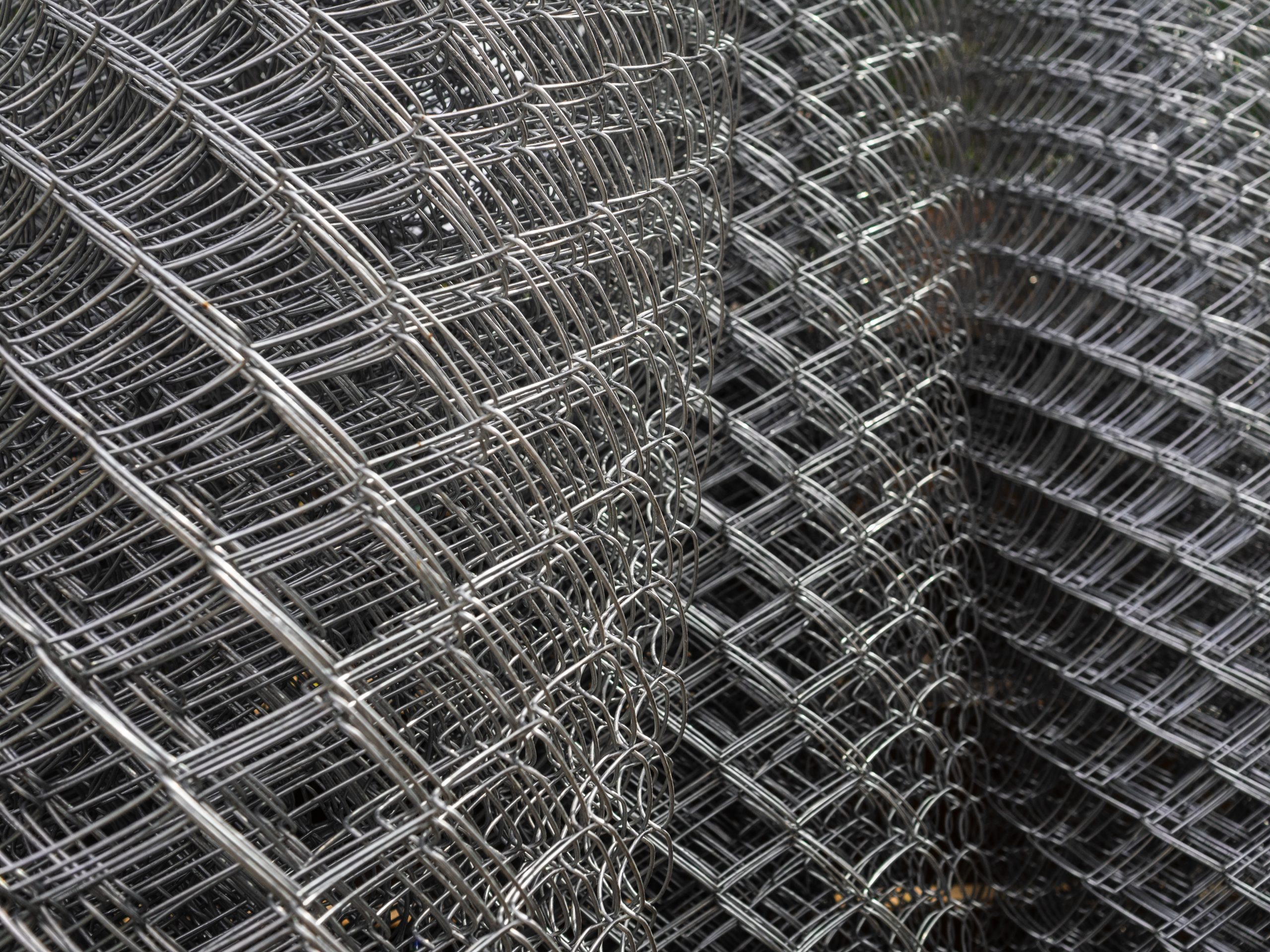
The typical welded steel fence production process includes the following steps:
Step 1: Design and Planning:
The first step is to design the welded steel fence based on the specific requirements and characteristics of the project. The size, shape, style, and structure of the fence are determined. Then, a production plan and schedule are created to ensure the implementation timeline.
Step 2: Material Preparation
High-quality steel materials are selected and prepared for processing. Steel panels are cut to the required sizes and shapes to create the components of the fence.
Step 3: Processing and Welding
The steel components are processed by cutting, bending, and drilling to create the necessary details. Subsequently, the components are welded together using the electric arc welding, CO2 welding, or TIG welding method. The welding process requires precision and meticulousness to ensure the strength and durability of the weld.
Step 4: Adjustment and Finishing
After welding is completed, the welded steel fence is adjusted and grinded to remove any inconsistencies and uneven surfaces. If there are high aesthetic requirements, the fence can be coated or painted to create a protective layer and achieve color uniformity.
Step 5: Installation
Finally, the welded steel fence is installed at the desired location. The fence components are attached to each other and fixed to the foundation or other supporting structures. The installation process follows safety and technical regulations to ensure the stability and safety of the fence.
The factors influencing the quality of welded steel fence products

The following factors significantly impact the quality of welded steel fence products:
- Raw material quality: The quality of the raw materials, especially steel, has a crucial influence on the quality of welded steel fences. Choosing high-quality steel materials with appropriate strength and flexibility ensures the durability and sturdiness of the fence. The material quality also affects the fence’s resistance to corrosion and its lifespan.
- Production technology: The manufacturing process of welded steel fences and the technology used in the fabrication and installation significantly impact the product’s quality. Utilizing modern technologies and equipment that meet quality standards ensures precision and accuracy in processing components and welds while minimizing errors and inconsistencies during production.
- Welding technique: The welding technique employed in the production of welded steel fences is a critical factor influencing the weld quality. The skills and experience of welding technicians also determine the strength, durability, and accuracy of the welds. Using appropriate welding methods and controlling temperature and pressure adequately during the welding process play a vital role in ensuring the quality of welded steel fences.
- Protective coatings: Employing protective coatings such as galvanization or paint finishes on welded steel fences enhances their durability and resistance to environmental factors such as rust and corrosion. These coatings provide an additional layer of protection, ensuring the longevity and aesthetic appeal of the fence.
These factors, including raw material quality, production technology, welding technique, and protective coatings, collectively contribute to the overall quality of welded steel fence products.
Applications of welded steel fence production technology
The production technology of welded steel fences has various applications in different fields. Here are three main applications of this technology:
- Residential welded steel fence production: Welded steel fences are widely used in the construction of residential buildings such as houses, villas, urban areas, resorts, and factory premises. The production technology of welded steel fences allows for the creation of highly durable products, providing safety and protection for families and properties.
- Industrial welded steel fence production: In industrial environments, welded steel fences are used to protect and restrict access to important areas such as factories, warehouses, power stations, substations, and manufacturing facilities. Industrial welded steel fences are designed to meet stringent security and functional standards, safeguarding assets and limiting unauthorized intrusions.
- Anti-theft welded steel fence production: Welded steel fences are also extensively utilized in anti-theft and security applications. Anti-theft fence types are often equipped with special features such as rigid steel wires, sensor systems, alarms, and other protection methods to prevent and alert against any intrusions. The production technology of welded steel fences helps create effective and durable anti-theft products.
Features and advantages of welded steel fences produced using modern technology
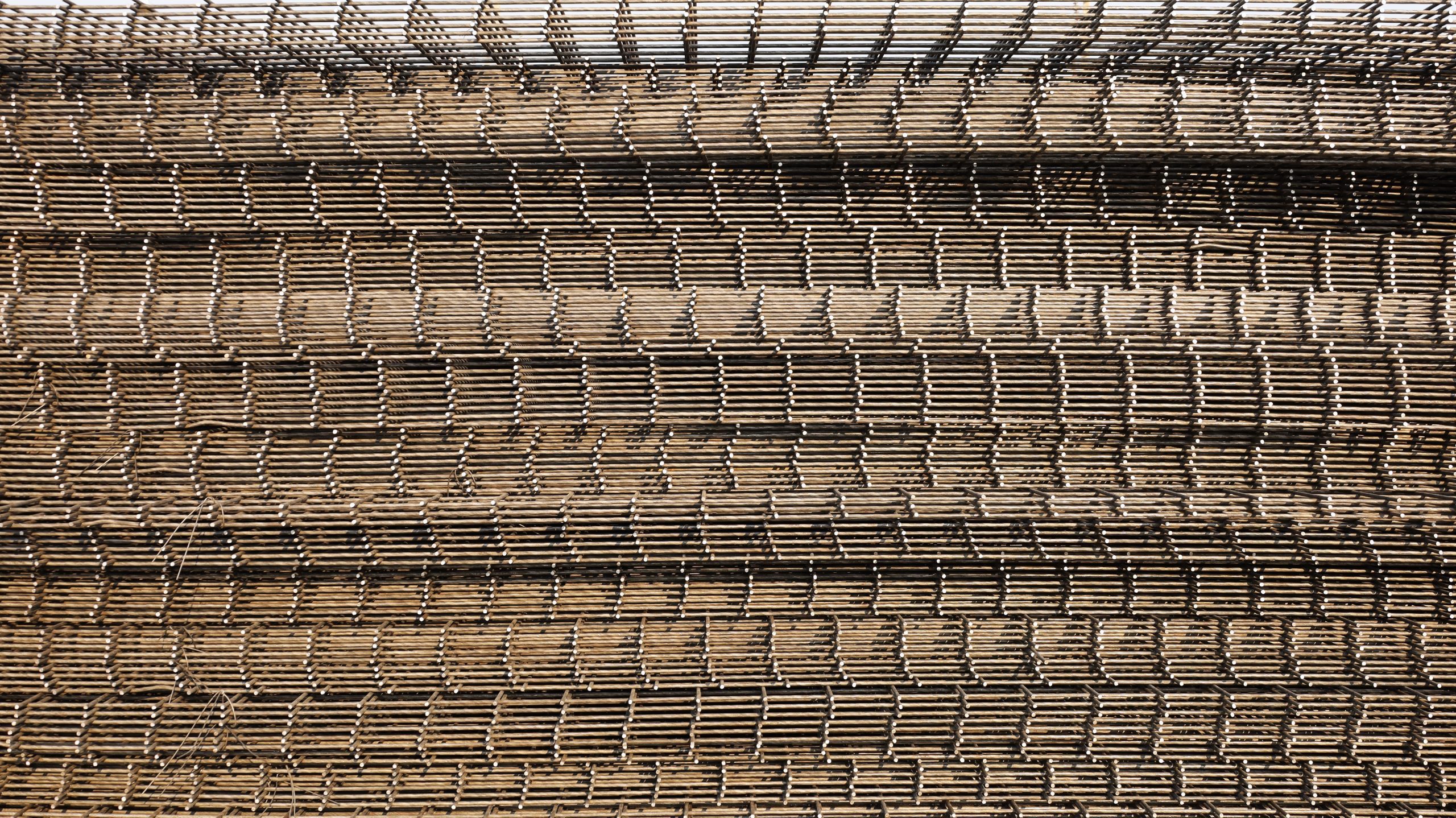
Features and advantages of welded steel fences produced using modern technology
Welded steel fences produced using modern technology have the following features and advantages:
- High durability and stability: Welded steel fences manufactured using modern technology are precisely processed and welded, enhancing the strength and durability of the product. The combination of high-quality steel materials and professional welding techniques enables the fence to withstand high loads and pressures while maintaining its shape and stability over time.
- Aesthetics and visual appeal: Modern technology allows for the creation of welded steel fences with diverse designs and styles, ranging from simple to complex. Welded steel fences have a high aesthetic appeal, bringing beauty and modernity to the surrounding space. The welded joints are finely tuned and perfected, creating a smooth and uniform surface, enhancing the visual appeal of the fence.
- Low production and installation costs: Modern welded steel fence production technology often utilizes automation processes and advanced machinery, minimizing reliance on manual labor and optimizing the production process. This results in reduced production and installation costs while enhancing efficiency and progress.
- Corrosion resistance: With the application of galvanization or electrostatic powder coating technology, welded steel fences produced using modern technology have high corrosion resistance. The protective layer of coating or paint shields the steel surface from environmental impact and weather conditions, prolonging the lifespan of the fence and minimizing maintenance requirements.
In summary, modern welded steel fence production technology offers superior advantages such as high durability, aesthetic appeal, low production and installation costs, and corrosion resistance. Thanks to these features, welded steel fences from modern technology have found widespread applications in residential, industrial, and anti-theft sectors. Through the combination of quality and effectiveness, this technology contributes to the construction and protection of structures, providing security, protection, and access limitation to important areas.

